


FSB, wiretapping, paranoia: How diplomats from “unfriendly” countries survived in Russia
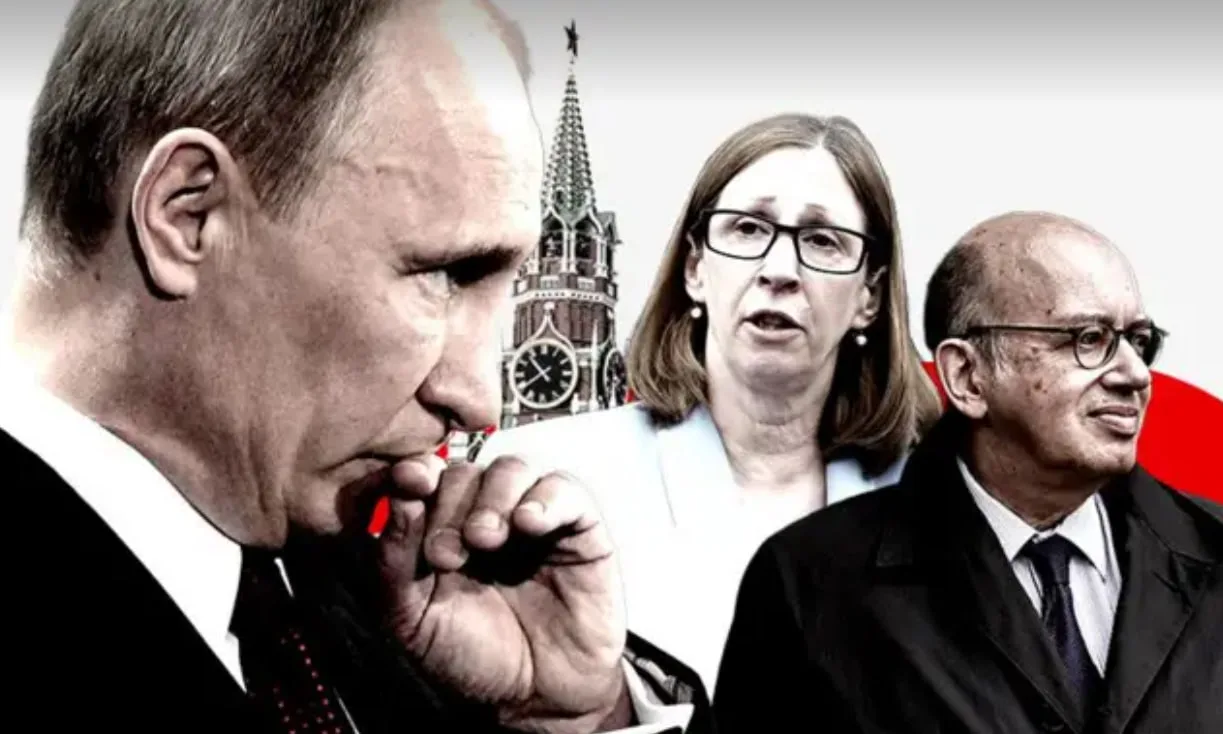
The diplomatic corps of countries declared “unfriendly” by the Kremlin has faced an unprecedented level of total surveillance, physical intimidation, and psychological pressure from Russia’s Federal Security Service (FSB). Source: BBC
Based on detailed accounts from European and American diplomats who worked in Moscow. After the start of the full-scale invasion of Ukraine and the mass reciprocal expulsions of diplomats, the working conditions of the foreign representatives who remained transformed from standard diplomatic practice into a harsh struggle for physical and psychological survival in a hostile environment.
Diplomats described an atmosphere of deep paranoia and constant anticipation of provocations. The FSB’s operational and technical services equipped not only embassy workspaces but also private apartments rented by diplomatic staff and their family members with special audio and video surveillance equipment.
Foreign representatives regularly found clear signs of unauthorized entry into their homes while they were away: from deliberately moved belongings, conspicuously placed “markers,” and damaged personal property to the poisoning of pets and damage to cars. Russian intelligence services used such actions as a tool of systematic intimidation and to demonstrate their own impunity.
In addition to pressure in their daily lives, embassy staff face conspicuous outdoor surveillance, aggressive tailing of their cars by plainclothes operatives, deliberately created everyday inconveniences, and obstruction of efforts to hire local technical staff.
In conditions of complete isolation, refusal by local service providers to serve them, and constant risks of everyday provocations, the work of Western diplomats in the Russian Federation has effectively returned to the harsh methods of confrontation from the Cold War era, but in an even more aggressive and psychologically draining form.
Let us recall that Poland imposed restrictions on the movement of Russian diplomats in response to hybrid warfare by the Russian Federation.
It was previously reported that the EU is discussing restrictions on the movement of Russian diplomats within EU territory. Last year, the Czech Republic also put forward a similar proposal.
EU countries agreed to suspend the agreement with Russia on the simplified visa regime.
Источник: GuildHall
 Поделиться