


In Serbia, the opposition routed Vučić’s pro-Russian party
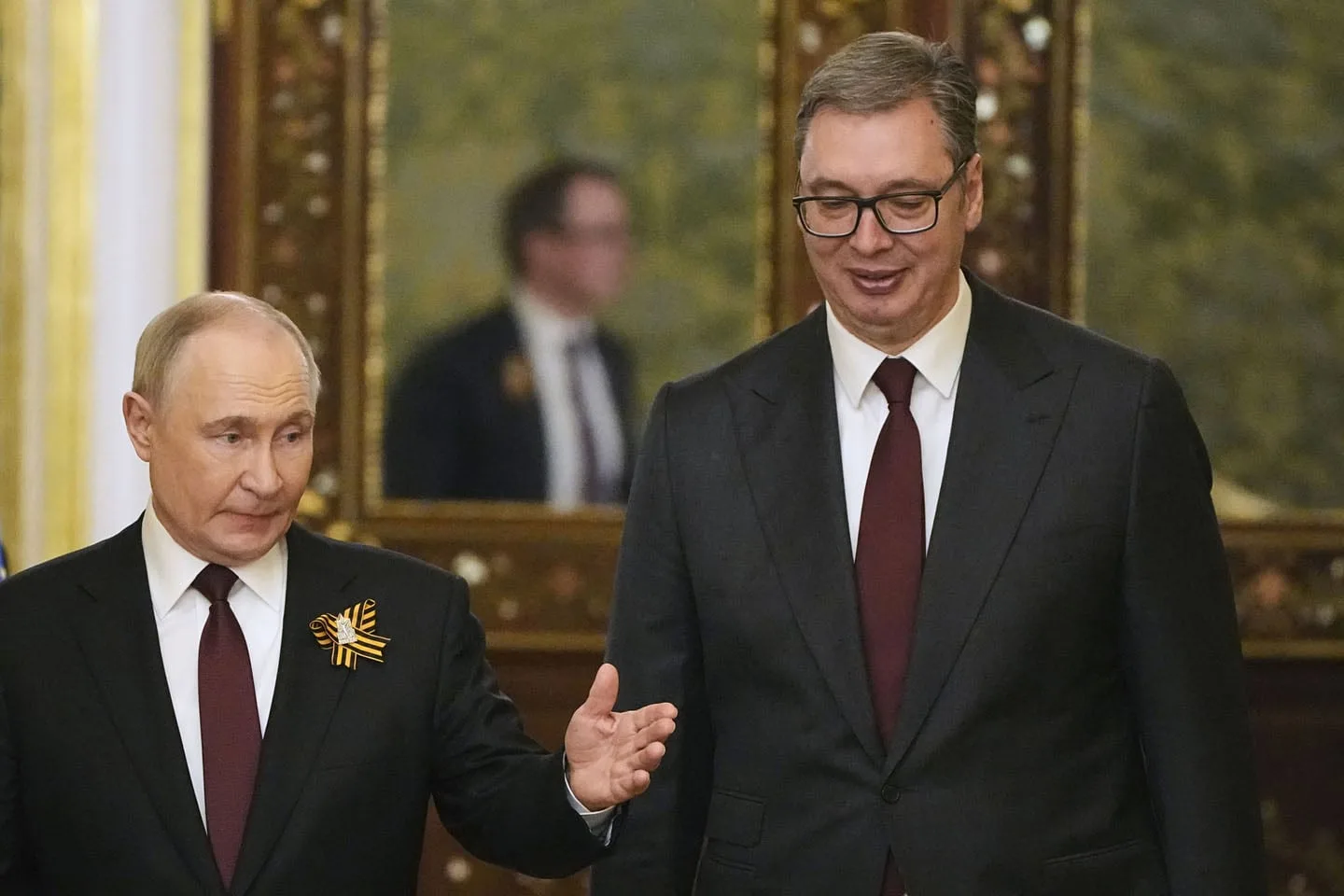
Former Serbian President Aleksandar Vučić has officially conceded defeat for his “United Serbia” coalition in the snap parliamentary elections, which it lost to the opposition “Student List” bloc. Source: Reuters
According to preliminary counts, the opposition coalition, which emerged from student protest movements, received more than fifty percent of the vote, securing an absolute majority in parliament with around 138 of the 250 seats.
The ruling Serbian Progressive Party’s defeat dashed Vučić’s plans to return to power and head the country’s government after stepping down as president.
Speaking at his campaign headquarters, Vučić blamed the electoral defeat of his party on interference by Western organizations and intelligence services, claiming that Serbia’s sovereignty had come under external pressure. He also expressed his conviction that the new opposition majority in parliament would swiftly revise the country’s foreign policy course and decide to join international sanctions against the Russian Federation.
Representatives of European institutions, in turn, have already congratulated the leaders of the “Student List” on their convincing victory, expressing their readiness to provide Belgrade with comprehensive support in carrying out systemic democratic reforms and accelerating the process of European integration.
The opposition’s victory marks a major shift in Serbian politics, where supporters of maintaining a balance between the West and Moscow have dominated for many years. The new parliamentary majority intends to focus on fighting corruption, strengthening the independence of the judiciary, and modernizing state institutions.
Although opposition figures said during the election campaign that they wanted to avoid radical moves on the international stage, the change in power will inevitably lead to a reassessment of Serbia’s relations with key global players and a decline in the Kremlin’s influence in the Balkans.
Источник: GuildHall
 Поделиться