


Merz threatened to block the EU’s multi-year budget over financial aid to Ukraine
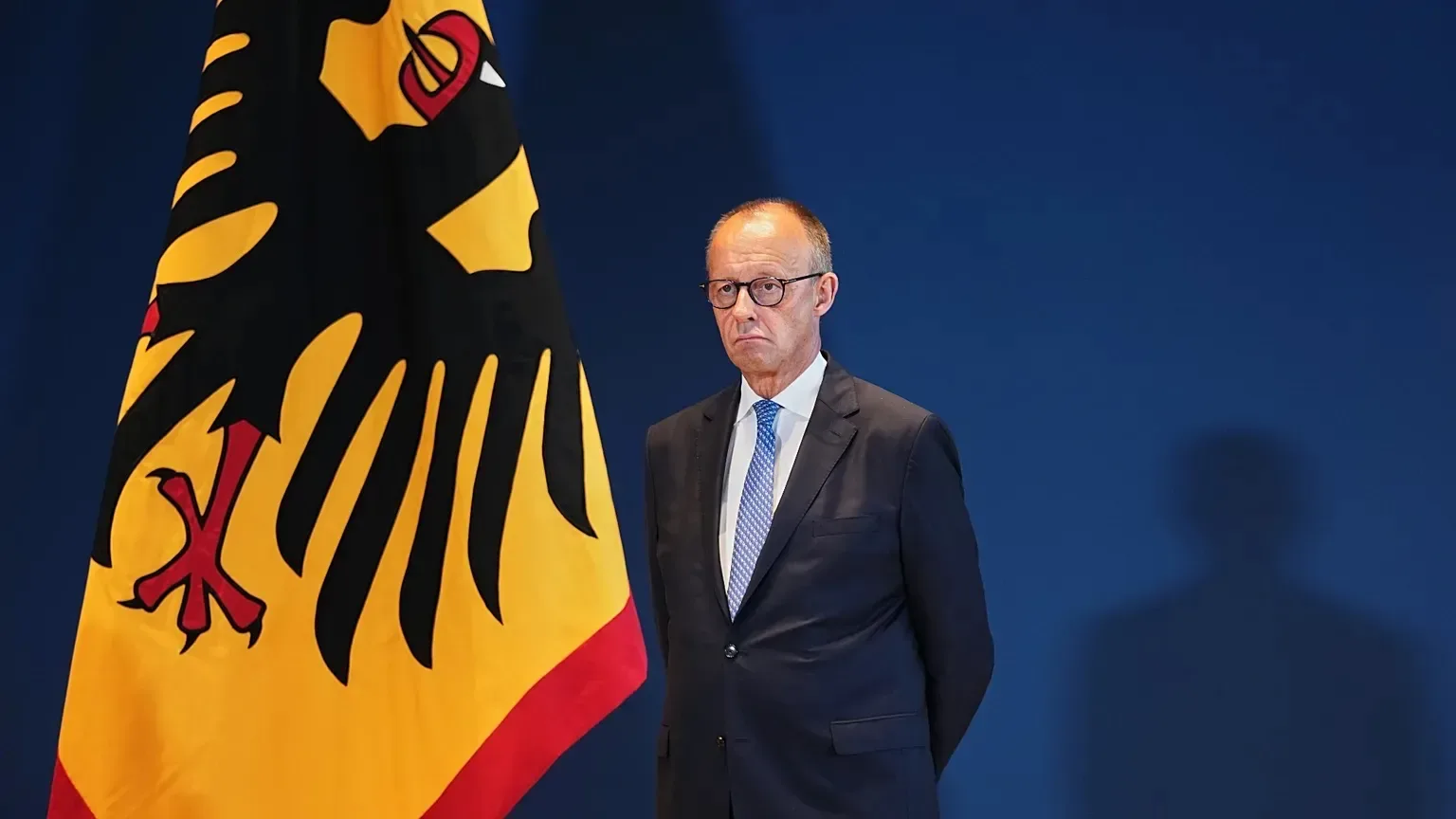
German Chancellor Friedrich Merz has taken a hard line on the European Union’s financial architecture, threatening to exercise Germany’s national veto when approving the EU’s long-term budget for 2028–2034. Source: Financial Times
The ultimatum was prompted by the lack of guaranteed, long-term mechanisms in Brussels’ preliminary plans for funding Ukraine and covering the associated budget shortfalls.
Merz made it clear to his EU partners that Berlin would not allow the bloc’s new seven-year financial plan to be adopted unless it included ironclad guarantees of regular support for Kyiv.
Germany’s position confronts European leaders with a serious crisis, as approving the budget requires the unanimous support of all member states. Berlin’s use of the financial veto demonstrates a radical shift in the German leadership’s priorities amid the protracted struggle against Russian aggression.
The German chancellor’s initiative has already sparked heated debate in Brussels. A number of countries fear that Germany’s tough demands could block the allocation of subsidies and cohesion funds within the EU itself.
Nevertheless, supporters of this approach point out that without clear and predictable funding for Ukraine’s defense and reconstruction, Europe’s security architecture will collapse, costing the bloc’s economy far more in the long run than any budget disputes.
Источник: GuildHall
 Поделиться