


“No” to Russian Uranium: Protests in Germany Against Cooperation with Rosatom
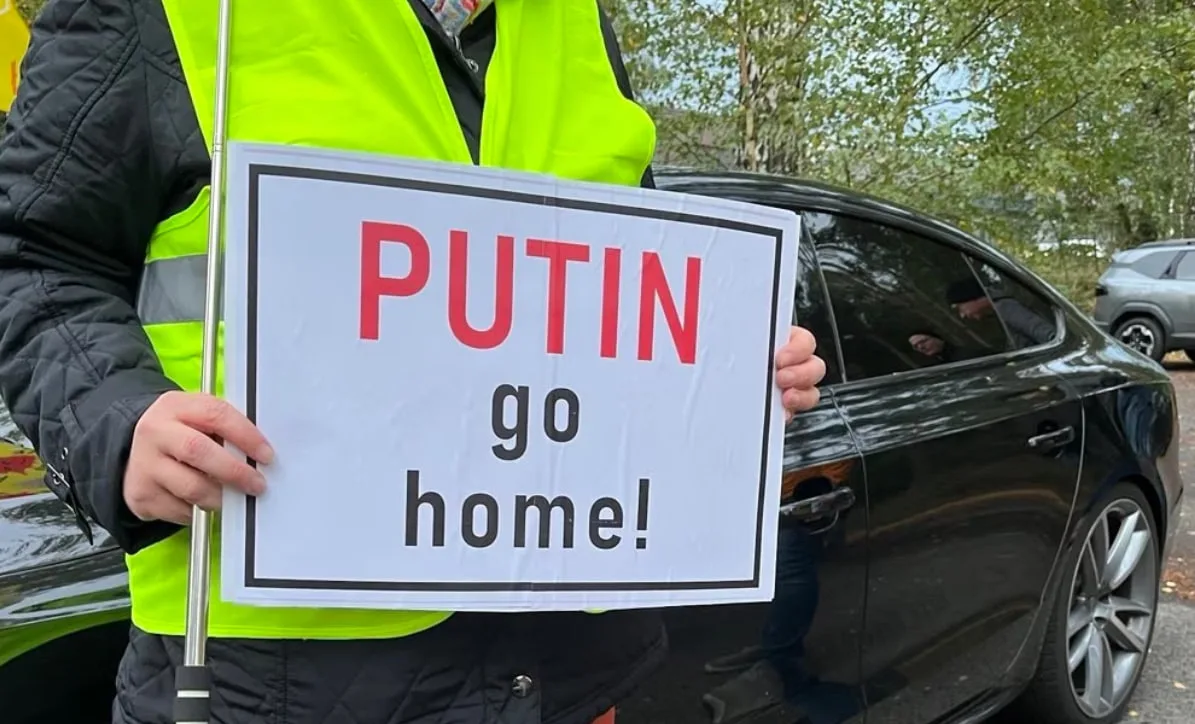
German environmentalists and community activists held a mass protest near Framatome’s nuclear fuel production plant in the city of Lingen, demanding an immediate end to cooperation with the Russian state corporation Rosatom. The protesters are calling for the official license to produce fuel assemblies for Soviet- and Russian-designed VVER reactors to be revoked, as well as for shipments of Russian enriched uranium to be blocked. Source: Radio Liberty
The protest was prompted by the expected arrival at the port of Rotterdam of the commercial vessel “Mikhail Dudin,” which, according to environmental organizations, is carrying another shipment of raw materials from the Russian Federation for processing at the German facility.
The protesters emphasized that joint technology projects with Rosatom pose a direct threat to the national security of Germany and its partners in the European Union. The presence of Russian technical specialists at the plant in Lower Saxony creates a high risk of industrial espionage and sabotage.
In addition, activists recalled that Rosatom is involved in the occupation and management of the Zaporizhzhia Nuclear Power Plant and directly supplies products to Russia’s military-industrial complex, as confirmed by U.S. State Department sanctions against the state corporation’s leadership.
The permit to expand production in Lingen was issued by regional authorities at the direct instruction of the German federal government, but environmental groups have already challenged it in the Higher Administrative Court of Lüneburg. Preparatory work is currently permitted at the plant, but production of components for reactors has not yet begun. Environmentalists intend to continue protesting and push for a complete severing of ties with Russia’s nuclear sector.
Recall that despite Western sanctions, the Russian state corporation Rosatom continues to expand its influence in the global nuclear sector and steadily exports enriched uranium to Europe and the United States. This enables Moscow to strengthen its economy amid geopolitical isolation through an effective strategy of diversification and expanding its international presence.
Источник: GuildHall
 Поделиться