


Poland is preparing an investigation into the Orbán government’s ties to Russian intelligence
Polish Foreign Minister Radosław Sikorski said that Polish intelligence services have direct evidence of bank transfers and audio recordings of confidential talks between Russian representatives and people close to Viktor Orbán. The statement moves the issue of Budapest’s pro-Russian course beyond political disputes and into the realm of counterintelligence and anti-corruption investigations within the EU and NATO, analysts at the Robert Lansing Institute said. Source: RLI
A key element of Sikorski’s statements was the financial transactions from Russian sources that he mentioned. Poland says that proven money transfers, combined with intercepted audio recordings, may point not merely to diplomatic contacts, but to a system built to “buy” specific political decisions by the Hungarian leadership in the Kremlin’s interests.
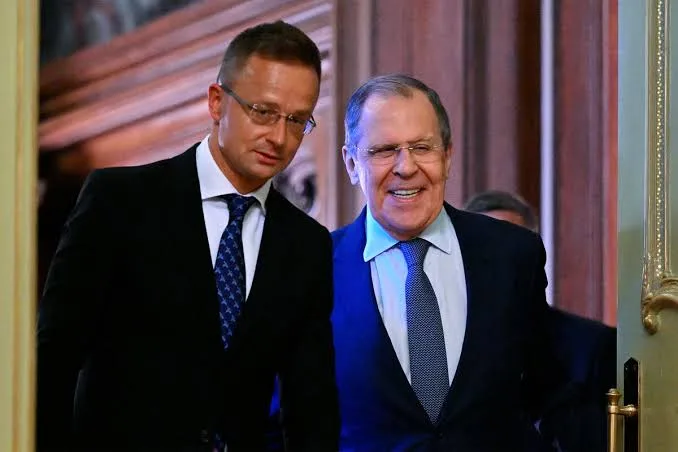
Hungarian Foreign Minister Péter Szijjártó discussed handing over non-public documents from closed EU meetings with Russian Foreign Minister Sergey Lavrov. In particular, Moscow was given advance information about the progress of EU leaders’ talks on starting Ukraine’s accession process to the alliance.
Talks between Szijjártó and Lavrov recorded the Hungarian side’s willingness to help remove Russian oligarchs and their family members from EU sanctions lists.
The Polish side described the Hungarian diplomat’s conduct in contacts with his Russian counterpart as that of a “subcontractor” coordinating foreign policy moves with Moscow. In response, Szijjártó did not deny that the talks had taken place, accusing foreign intelligence services of interference.
Warsaw made the accusations public after Viktor Orbán’s defeat in the parliamentary elections in April 2026 and the end of his 16 years in power. The change of government in Budapest gave law enforcement access to classified archives, government documents, and bank transactions.
The main risk to European security is that Budapest may have used its institutional status, access to classified discussions, and veto power within the EU and NATO to advance the interests of a third country. If the investigation confirms that classified materials from the alliances were passed to Moscow, the European Union and NATO will have to radically revise their rules for sharing classified information and protecting closed-door talks.
Источник: GuildHall
 Поделиться