


Russia uses trawlers to map NATO undersea communications – investigation
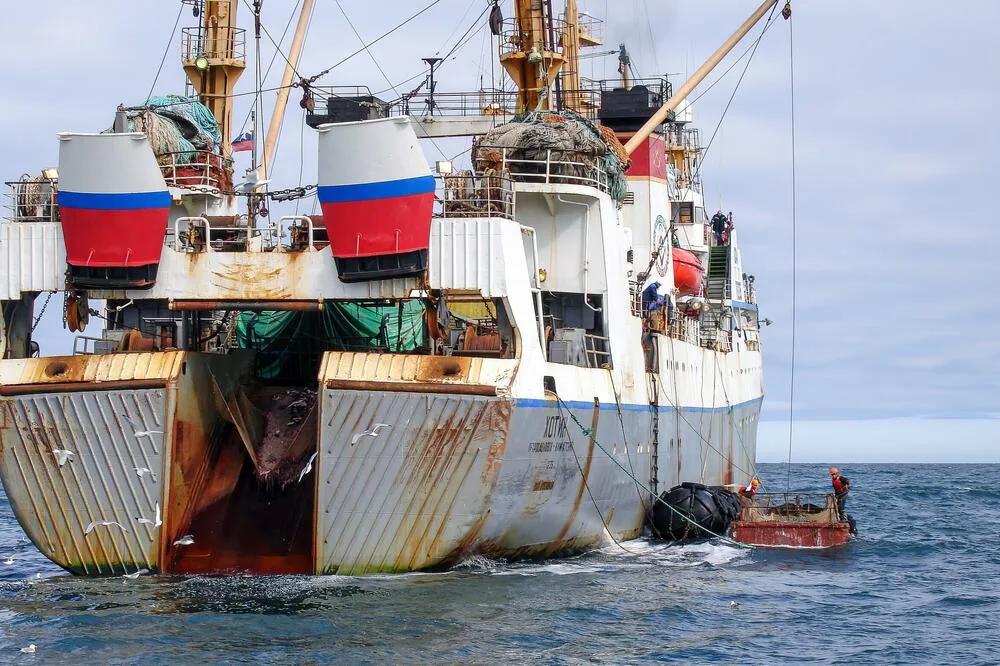
Russian intelligence services and the navy are using civilian fishing trawlers as spy ships to precisely map key transatlantic communications cables and prepare acts of sabotage against them. Source: The Telegraph
Over a four-year period, journalists identified more than 500 instances in which Russian fishing vessels deliberately spent extended periods directly above the main communications cables linking the United Kingdom with Europe and the United States, or made suspicious maneuvers along their routes.
According to experts and NATO sources, around £65 billion of the UK economy depends on the uninterrupted operation of transatlantic cables. Just two cables carry around three-quarters of the data traffic between the United Kingdom and the United States. An analysis of Russian fleet movements revealed systematic activity:
-
Vessel A spent 113 hours over four years surveying nine different underwater cables. The longest period of activity was recorded north of Scotland, above the Atlantic Crossing 1 cable (which connects the United States with the United Kingdom, Germany and the Netherlands): in April 2023, the vessel spent 322 hours there, making sharp course changes and moving at less than two knots (including maneuvers over the decommissioned TAT-14 cable).
-
Vessel B slowly crossed the transatlantic Hibernia Express cable and the Shefa-2 cable (between the Shetland and Faroe Islands) in February 2025, traveling at less than two knots.
-
Vessel C was spotted above Google’s Grace Hopper cable (United Kingdom–United States) and the Amitié cable (United Kingdom–France and Spain) in the area of the “special zone” where the United Kingdom and Faroe Islands’ economic zones intersect.
Sources in the British Royal Navy and NATO note that “they have never seen any fish” on the decks of these trawlers. Instead, their holds and equipment are ideally suited for housing unmanned surface or remotely operated underwater vehicles equipped with sonar capable of scanning the seabed and mapping communications infrastructure with millimeter precision. This would enable the Kremlin to launch targeted strikes and paralyze banks, hospitals, transport networks and mobile communications in the event of a conflict with NATO.
The investigation also points to links with state policy: back in July 2022, Vladimir Putin approved a naval doctrine calling for the fishing fleet to be integrated into military operations and for companies to be compensated for participating in special operations. The Royal Navy previously recorded activity by Russian GUGI submarines and Akula-class attack submarines in Arctic waters near Svalbard, testing weapons against cables.
Against the backdrop of the growing threat, the UK government has announced plans to tighten Victorian-era legislation. Whereas intentional damage to cables previously carried a sentence of up to five years in prison, the maximum term may now be raised to 14 years’ imprisonment or even life, and fines will be unlimited. Telecommunications Minister Ian Murray acknowledged that the law would not stop the Russian state itself, but should deter the “commercial intermediaries” the Kremlin uses for hybrid sabotage.
Reminder: Russia is preparing attacks on underwater cables between Europe and the United States.
Источник: GuildHall
 Поделиться