


The Magyar government is seeking an alternative to Rosatom for the expansion of the Paks nuclear power plant
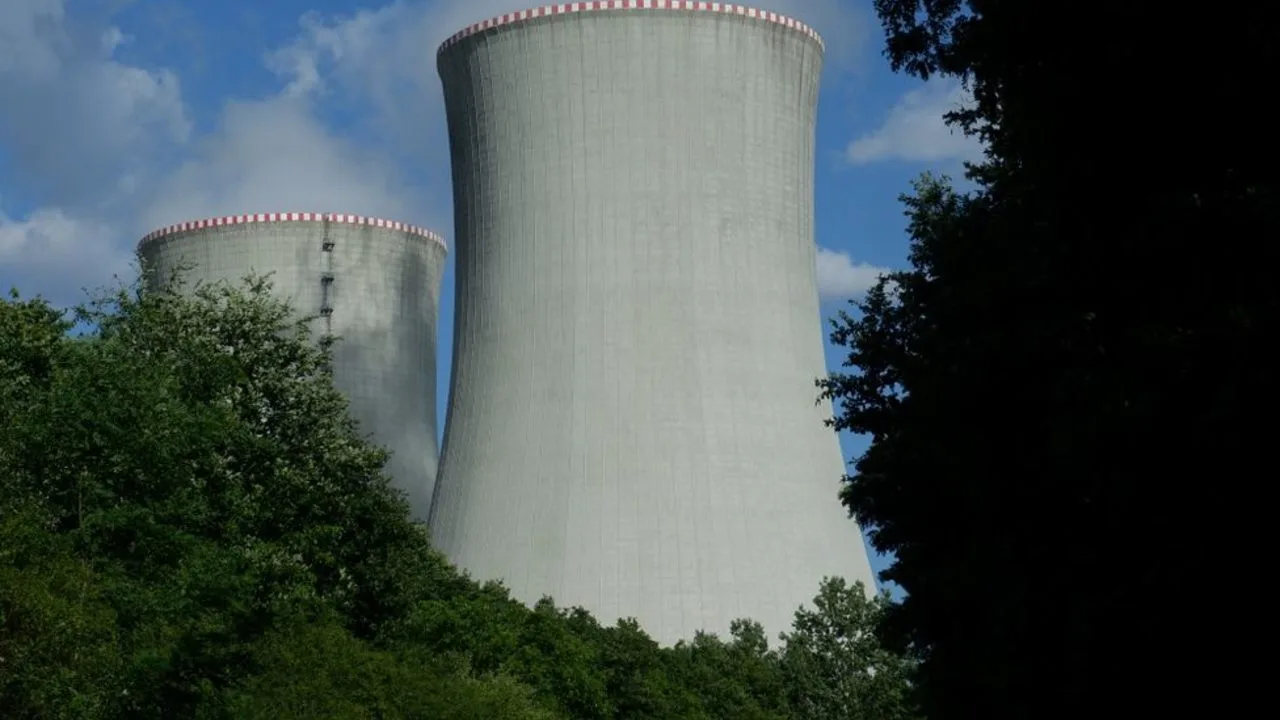
The Hungarian government, led by Prime Minister Peter Magyar, has begun an in-depth legal, technical, and financial audit of the Paks nuclear plant expansion project, considering the possibility of fully terminating the contract with Russian state-owned corporation Rosatom. Source: Reuters
The country’s new pro-European leadership is seeking to reduce its energy dependence on Moscow and bring in alternative Western suppliers to build new power units. The original agreement, signed in 2014 by the previous government of Viktor Orbán without an open tender, was valued at 12.5 billion euros. However, implementation has been delayed by regulatory barriers and a 2025 European Union Court of Justice ruling that overturned state funding for the project.
Budapest is assessing the potential financial risks of a decisive break with the Russian contractor. If the current agreement is canceled, Hungary risks irretrievably losing around 1.1 billion euros already paid to Rosatom, as well as facing hefty penalties for breaching the contract. Nevertheless, the Magyar government appears to favor completing the plant’s modernization without the involvement of Russian entities.
As a parallel measure, the Hungarian authorities are exploring the possibility of extending the operating life of the four existing Soviet-built VVER-440 reactors by 20 years. They have also signed contracts to procure alternative nuclear fuel from France’s Framatome and the United States’ Westinghouse, with the first deliveries expected in 2027 and 2028.
Rosatom said it is continuing manufacturing work according to the approved schedule and has received no official notice of termination. However, Budapest’s position reflects a broader trend among Central European countries operating VVER reactors toward completely ending their use of Russian nuclear energy services.
It is worth noting that State corporation Rosatom plays a key role in supporting and developing the Russian Federation’s military-industrial complex (MIC). Yet the international sanctions imposed on it remain limited and fragmented, despite its strategic importance to Russia’s military apparatus. Introducing comprehensive, coordinated Western sanctions against Rosatom and its subsidiaries would be an important step in efforts to contain Russia’s military capabilities and global influence. This is stated in a new report by the Center for Defense Reforms titled “Rosatom’s Military Affairs: Production of Nuclear and Conventional Weapons,” provided to the editorial team of Guilhall.
Джерело: GuildHall
 Поділитися